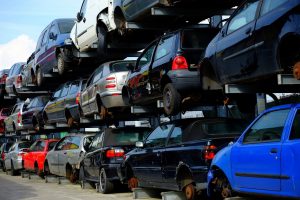
Sustainability in Auto Salvage: How NZ Wreckers Are Going Green (and Why It Matters)
The people of New Zealand are highly fond of cars. Whether these are rugged utes or day-to-day commuters, vehicles are an essential part of our lives. However, what happens to a car when it reaches the end of its road? When such a faithful machine is either too expensive to service or fails its WOF permanently, it is salvaged by the auto salvage businesses. Over the years, the process has been known to cause scrapyards and environmental burdens. Nowadays, however, this story is undergoing a radical transformation.
Contemporary NZ wreckers are now at the forefront of the sustainability movement, converting themselves into complex auto-recycling centres. They are the unrecognised heroes of a circular economy, as they ensure that at least 90 per cent of an end-of-life vehicle (ELV) does not end up in the landfill. This dedication to going green is not merely a fad; it is an essential component to the future of the environment in New Zealand, and this is a fundamental value at HB Car Removals.
Environmental challenge of end-of-life vehicles (ELVs)
The volume of ELVs produced annually poses a significant environmental threat. An average car is a complex combination of materials, most of which are non-biodegradable or hazardous to the environment. If an old vehicle is merely dumped or left to rust away, it carries some grave dangers:
1. Toxic fluid leaks
Engine oil, transmission fluid, brake fluid, and battery acid contain heavy metals and toxins that can wash into the soil and groundwater, contaminating treasured ecosystems.
2 . Landfill burden
Metals, plastics, and fabrics require hundreds of years to decompose. Without proper processing, cars occupy a significant portion of landfill space.
3 . Unutilised resources
Each disposed-of car represents many hours of factory, mining, and refinery work. By scrapping a vehicle, one fails to recognise the value of the energy and material that have been incorporated into it in high proportions.
According to one source, the environmental impacts of improperly managed car disposal can be severe, making it crucial to have ethical operators who can serve as eco-friendly heroes in this field. This is where the green practices of professional NZ wreckers become necessary.
Green wrecking process: Depollution and disassembly
The process of collecting scrap cars and categorising them as a recycled resource requires a careful, multi-step approach by reputable car removal experts. It is centred on depollution, then systematic disassembly, and resource recovery.
Step 1: Depollution and fluid removal
The car must be rendered safe before any dismantling is done. This is the most crucial step in sustainable auto salvage. All fluids should be drained into contained bays to prevent spills. This includes oils, coolants, fuels, and air conditioning gases. These toxic materials are not disposed of; instead, they are collected, filtered, and typically passed on to specialised plants for treatment or re-use, thereby preventing environmental pollution. The battery, which contains toxic heavy metals, is discharged and specifically recycled.
Step 2: Harvesting parts to be reused
The most common misconception is that a wrecker is only involved in the removal of scrap metal. In fact, contemporary NZ wreckers focus more on reusing functional parts. This aligns precisely with the principles of a circular economy. Components such as engines, transmissions, headlights, infotainment systems, and body parts are thoroughly removed, cleaned, tested, and listed.
This is a critical practice. The re-use of a component does not require any new manufacturing energy and thus saves a significant amount of carbon emissions that would be emitted during new manufacturing. It is also a cheaper yet high-quality alternative for consumers and mechanics seeking to repair older cars. Through this process, it is evident that car wreckers play a crucial role in auto recycling and sustainability in New Zealand.
Step 3: Recycling of the material and resources
After harvesting all the reusable parts, only the shell of the vehicle remains—a complex composition of metals, plastics, rubber, and glass. The remaining structure is then subjected to the recycling of raw material.
1. Ferrous and non-ferrous metals:
The most significant part of your vehicle’s weight is composed of ferrous and non-ferrous metals (steel and iron), which are crushed and delivered to smelters for incorporation into new steel products. Metals that do not contain enough iron, such as aluminium, copper, and brass, are extracted and recycled, usually yielding better scrap values and minimising the need for virgin mining.
2. Plastics and textiles:
The dashboard, bumpers, and seat coverings are also being sorted. It is not easy, but the technology is constantly evolving, as we strive to discover a method to shred, separate, and reuse these non-metallic materials, slowly increasing the share of a car that is fully recycled.
The ultimate aim, which is emphasised in the industry, is to eliminate waste by making sure that the smallest quantity of material is disposed of in the landfill (Jrmclix Blog, 2025).
The economic and environmental synergy
Sustainability in automobile salvage is not only an environmental ideal; it is also good business. For companies like HB Car Removals and other green wreckers, efficiency in recycling directly translates to profitability. These businesses make it a win-win solution by ensuring all vehicles are maximised to give back value to the consumer in terms of selling good used parts or getting a better price on high-quality sorted scrap metal.
- Reduction in demand for primary manufacturing: By providing the market with recycled metal and used components, wreckers decrease the need for new mining and smelting activities, both of which are highly energy-consuming processes.
- Minimal carbon footprint: The energy required to recycle metal is significantly less than the energy needed to produce it from raw ore. Recycling each tonne of steel, for example, saves a lot of CO₂ emissions.
- Cheaper repair: Quality used parts are more affordable and offer longer life to older cars, making car ownership sustainable and affordable for most Kiwis.
The reason it matters which wrecker you use
You are making an environmental decision when you select a company to take your old, unwanted, or damaged car. To ensure that your vehicle is not only removed quickly and for a fair cash price but also processed in the most environmentally friendly way, selecting a professional, compliant, and environmentally friendly vehicle removal service, such as HB Car Removals, is a safe bet.
It is not simply that we haul away metal; we recycle hazardous wastes and inject valuable resources into the New Zealand economy. We ensure that your car’s end-of-life process has a positive impact on the planet, making us genuine partners in your personal investment in sustainability.
Conclusion
There has been a significant shift in the auto salvage industry in New Zealand. NZ wreckers are also no longer the old-fashioned junkyards but highly developed resource recovery centres and essential stakeholders in the country’s transition towards a sustainable, circular economy. The process of draining the fluid is now done with careful draining, minimising energy consumption. For the harvesting of reusable parts, all the steps are optimised to ensure minimum energy usage.
When selecting a wrecker who adopts these green practices, you are guaranteed to create a legacy of a responsible and resourceful old car. This evidence suggests that sustainability, economic viability, and essential services can coexist.
Are you willing to sell your car responsibly and receive money at the same time? Call Hawke’s Bay Car Removal today and make your future car removal decision a green one.