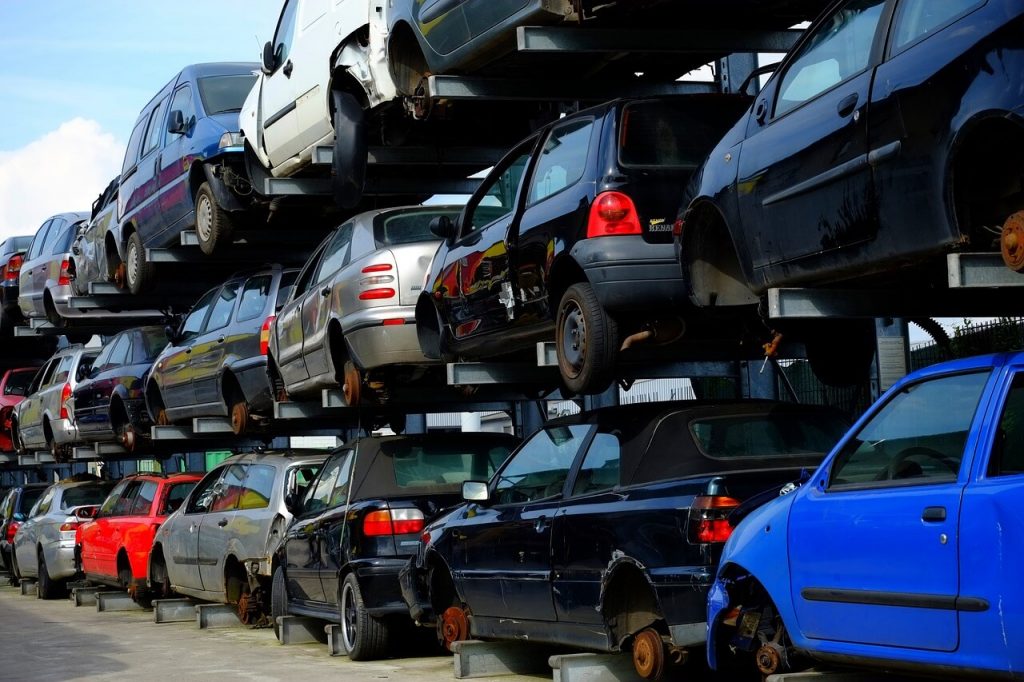
How Your Car's Age & Model Affect the Cash You Get
When it’s time to part ways with an old vehicle, most owners in New Zealand ask the same question: “How much cash can I actually get for this?” While condition and weight play their parts, the two most significant pillars of your car’s valuation are its age and its model.
Today, the scrap and salvage market has become more nuanced than ever. At HB Car Removals, we believe in transparency. Understanding how these two factors interact can help you determine whether your car is destined for the crusher or a “hidden gem” worth a premium payout.
The power of the “model”: Why some brands pay more
Not all cars are created equal in the eyes of a wrecker. The model of your car dictates its desirability in the secondary market. In New Zealand, certain brands like Toyota, Honda, Ford, and Nissan consistently command higher prices because they are among the most common vehicles on New Zealand roads.
The primary reason for this is the high demand for used parts. Popular models like the Toyota Corolla, Toyota Hilux, Ford Ranger, Mazda Demio, and Nissan Navara have large user bases. Because so many of these vehicles are in operation, there is a constant need for affordable spare parts, such as engines, transmissions, and body panels. If you have a popular model, wreckers can offer more because they are confident those parts will sell quickly, helping keep similar vehicles on the road.
Furthermore, the “workhorse” factor plays a role. While a European luxury model like a BMW or Audi had a high sticker price when new, they can sometimes be “niche” in the scrap market. If the parts are too complex or expensive to refurbish, the value often reverts primarily to the car’s basic metal weight. Conversely, a common utility vehicle or economy hatchback often fetches a higher percentage of its original value than a luxury sedan of the same age.
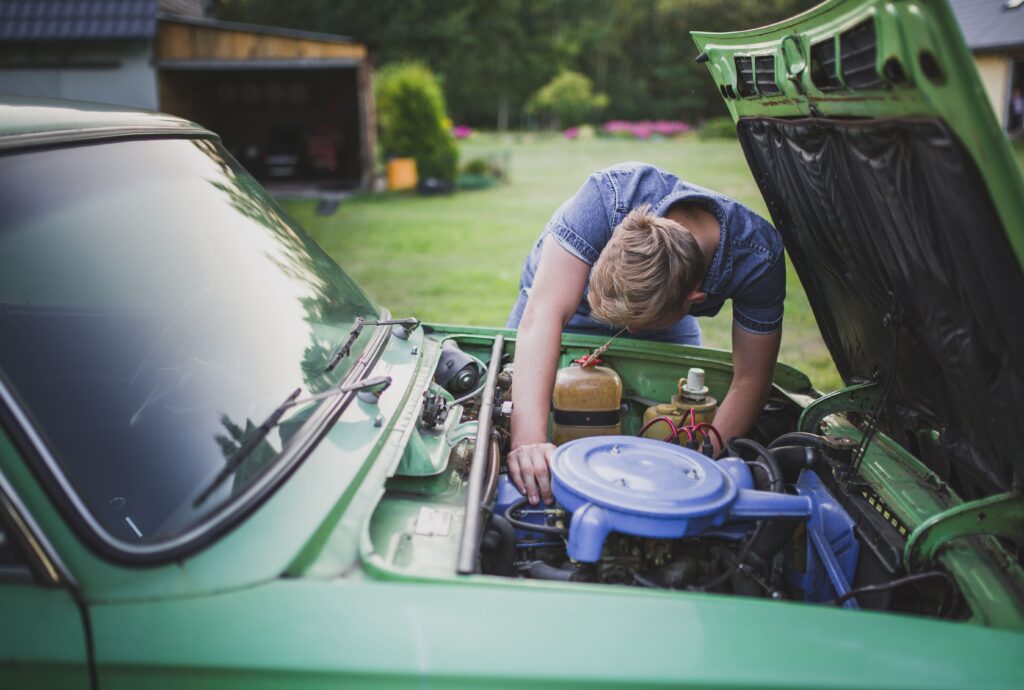
Age: The double-edged sword
Age affects your car’s value in two distinct ways: through its technological relevance and its physical condition. Generally, vehicles are valued in different brackets based on their year of manufacture.
Vehicles in the “sweet spot” (typically between 5 and 12 years old) are often the most valuable for car removals. They are usually old enough to be considered “end-of-life” by the owner due to high repair costs, but young enough that their components are still highly sought after. Modern features like infotainment systems, advanced sensors, and late-model engines are in high demand for repairing newer vehicles currently on the road.
Once a car passes the 15-to-20-year mark, its value shifts from its “parts” to its “materials.” Interestingly, older cars built before the early 2000s often used heavier steel frames compared to modern lightweight designs. If your older car is a “tank,” its value might be surprisingly high due to the sheer volume of ferrous metal it contains. Occasionally, an old car even crosses the line into a classic; Some classic and enthusiast vehicles from the 1990s have experienced increased demand among collectors. so it is always worth checking if your “junk” car has a cult following.
The shift: High-tech materials & EVs
In the current market, the age of your car also tells us exactly what metals are hidden inside. Newer models, particularly those produced after 2015, utilise more aluminium and high-grade copper. While these vehicles are lighter than the steel-heavy cars of the past, the non-ferrous metals they use are worth significantly more per kilogram on the global market.
The rise of Electric Vehicles (EVs) and Hybrids has also changed the valuation landscape. If you are scrapping a car that is 10-year-old hybrid, the age and health of the battery are the primary value drivers. Even a “dead” EV battery holds significant value in the recycling circuit for the recovery of lithium, cobalt, and nickel. This means that a relatively modern damaged EV can sometimes fetch a higher price than a traditional petrol vehicle of the same age.
How to maximise your payout?
Knowing your car’s age and model is the first step, but there are specific ways to ensure you get every dollar you deserve. First, avoid stripping the parts yourself. While it is tempting to take the battery or the stereo, a “complete” car is worth much more to a professional removal service. Wreckers pay a premium for vehicles that still have the catalytic converter and original alloy wheels intact.
Second, always verify the exact year of your vehicle. You can check your registration papers or the “build plate”, usually located in the engine bay or on the door frame. A single year’s difference in a model’s generation can change the engine’s value by hundreds of dollars, depending on whether that part fits the latest version of that car. Finally, don’t forget to mention any “extras.” If your model has premium features, like a canopy on a ute, a bull bar, or a high-spec leather interior, be sure to let the appraiser know, as these increase the resale value of the salvageable components.
Why choose HB car removals?
At HB Car Removals, we don’t just give you a “guestimate.” We use real-time market data to assess the specific value of your car’s make, model, and year. Whether you have a 2020 SUV involved in an accident or a 1995 sedan that’s finally given up the ghost, we provide a service built on fairness and efficiency.
We offer instant quotes based on current New Zealand scrap and part prices, so you don’t leave money on the table. Our service includes free towing across the Hawke’s Bay region, meaning you don’t have to worry about the logistics or costs of moving a non-running vehicle. Most importantly, we prioritise eco-friendly disposal, ensuring that every material in your car, regardless of its age, is recycled responsibly in accordance with modern environmental standards.
Ready to see what your car is worth?
Contact HB Car Removals today for an instant quote. Tell us the age and model, and we’ll handle the rest!