How Vehicle Recycling Helps Reduce Waste in Hawke’s Bay
Living in Hawke’s Bay means plenty of sunny days, a long coastline and, now and then, weather that can change quickly. We notice what that does to our gardens and homes, but it is easy to overlook the car sitting outside every day.
Sunlight can fade paint and interior surfaces. Salt in coastal air can encourage rust. Heavy rain may reveal a leaking seal that went unnoticed through summer. None of these problems necessarily means your car is nearing the end of its life. Understanding what to look for, though, can help you maintain it for longer and recognise when repairs may no longer be worthwhile.
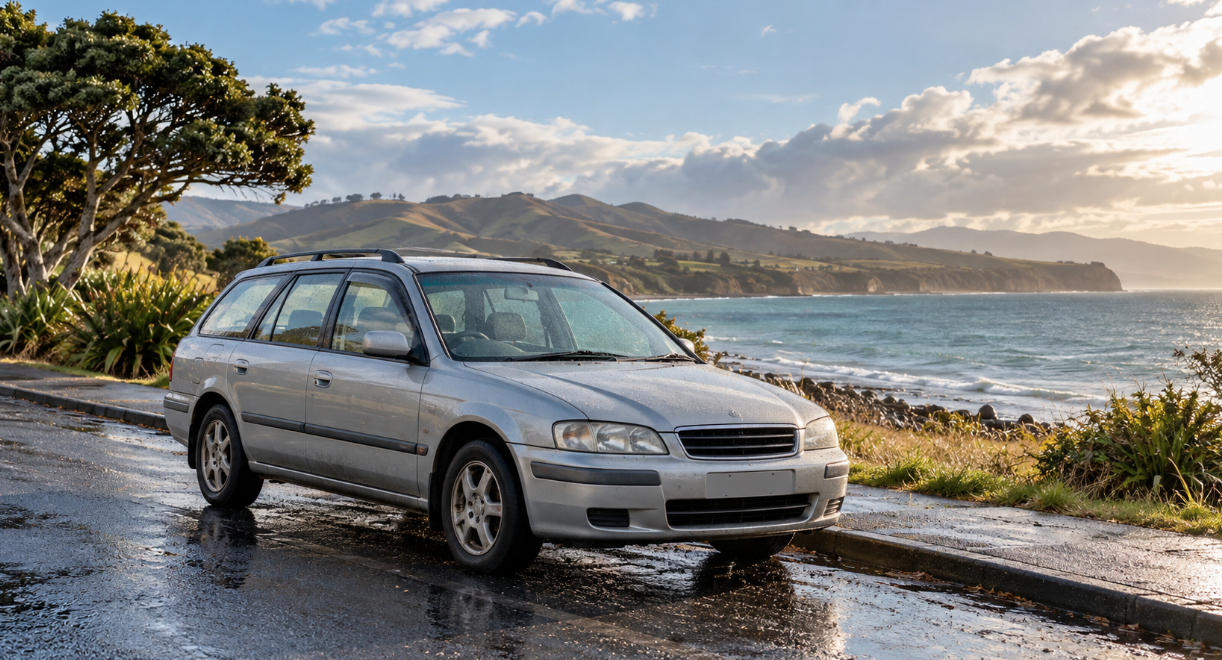
Salt air and rust near the coast
If you live or park near the coast, particularly around Napier, your car has more exposure to salt in the air. Moisture and salt can settle in areas that are easy to miss during a quick wash, including wheel arches, seams and the underside of the vehicle.
Rust usually starts without being visible. The first sign you may notice is bubbling paint near the wheel arch or a small spot at the edge of a door. In some instances, corrosion is discovered under the car when it is inspected.
A surface spot and rust affecting a structural part of the vehicle are very different problems. The sooner you have a suspicious area checked, the clearer your options will be. Leaving it until the rust has spread can make repairs more difficult and expensive.
What years of sunshine can do?
Hawke’s Bay sunshine is one of the pleasures of living here. For a car parked outdoors, it also means regular exposure to ultraviolet light.
Over time, paint may fade, and the clear coat can deteriorate. Inside, dashboards, trim and upholstery can discolour or become brittle, particularly when the car spends much of the day in direct sun. Rubber seals and tyres also need regular attention as they age.
Much of this is gradual. You may barely notice a change from one month to the next, then compare your car with one of a similar age that has spent more time under cover. Parking in shade or a garage when possible, washing the car and checking its condition regularly can help you spot problems early.
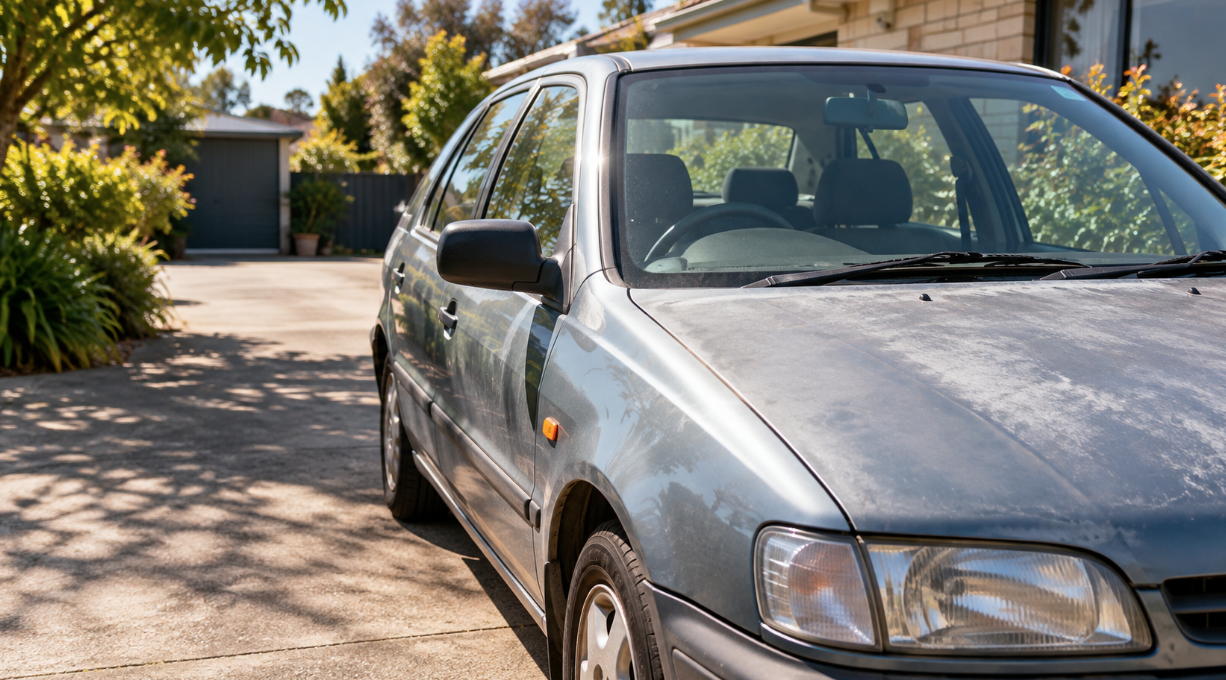
Summer heat and everyday wear
Hot days have a way of showing up problems that were already there. A struggling battery might finally give out, or an older car’s cooling system might struggle to keep up on a long drive. Summer itself is not the problem for a well-maintained car, but it is a good time to check how an older one is holding up.
Watch for coolant leaks, keep up with scheduled servicing and check tyre pressures against the vehicle manufacturer’s recommendations. If the temperature gauge starts behaving differently, have it investigated rather than waiting for the car to overheat.A little attention before the warmest months is usually easier than dealing with a breakdown away from home.
Heavy rain, storms and flood damage
Hawke’s Bay residents know that severe weather can have lasting effects. Cyclone Gabrielle reminded everyone how quickly flooding can affect roads, homes, and vehicles across the region.
Floodwater is not the same as normal rain; even if the inside of the car seems dry, damage could still be present if water has got into the cabin or reached any of the important electrical or mechanical parts. Corrosion can occur in the electrical connections, and the safety systems might be impacted.
If you suspect your car has been flood damaged, arrange a professional assessment before driving it. NZ Transport Agency Waka Kotahi advises that water-damaged vehicles can present safety risks, including problems that appear later as electronic components corrode. Read NZTA’s guidance on water-damaged vehicles.
After a heavy storm, it is also worth checking a car that was not submerged. Look for damp carpets, water in the boot, a persistent musty smell or debris caught around drainage areas. Finding a leak early may prevent a small problem from becoming a much larger one.
Frost, dew and damp mornings
Hawke’s Bay winters are often milder than in colder parts of New Zealand, but inland areas around Hastings can still have frosty mornings. Cold weather may expose a battery that is already weak, while repeated dampness can make existing leaks or rust more noticeable.
Condensation can appear on windows from time to time, but you should investigate any persistent dampness. Make sure the carpets are not damp, the seals on the doors and windows are in good condition, and water is not accumulating in the boot. If moisture keeps getting in, drying only the visible area won’t address the root cause.
Simple ways to protect your car
You cannot control the weather, but you can make it easier to spot and limit everyday wear.
- Wash the car regularly. If you live close to the coast, watch for areas where salt and dirt can collect, including the wheel arches and underside.
- Park under cover when you can. A garage or carport helps reduce exposure to sun and weather.
- Check seals and drainage areas. A damaged seal or blocked drain can let water collect where it should not.
- Keep up with servicing. Battery, cooling system and tyre checks are particularly useful before a long trip or a change of season.
- Have rust examined early. What looks like a small patch from the outside may need a closer look underneath.
It is not necessary to carry out all the checks at the same time, since incorporating them into your regular car maintenance will increase your chances of spotting any problems while they are still manageable.
What to check after a coastal storm or heavy rain
Once it is safe to do so, walk around the car and look for new damage. Check the cabin and boot for moisture, and look beneath the vehicle for anything that appears loose or out of place. If you have driven through standing water, or the car was parked in a flooded area, do not assume it is fine because it starts normally.
When you are unsure how far water reached, ask a qualified professional to assess it. This is especially important if you notice warning lights, unusual electrical behaviour, a musty smell or signs of water inside the car.
When is it time to consider selling?
Weather damage does not automatically make a car worthless. A discoloured bonnet or worn interior may have little effect on how safely the vehicle runs. Even some rust can be repaired.
The decision gets harder when significant corrosion affects key parts, flood damage raises safety concerns, or repairs keep costing more than the vehicle is worth to you. At that point, get a clear view of its condition and the likely repair cost before spending more money.
If repairing the car no longer makes sense, you can still ask for a quote. Usable parts and recyclable materials may give an unwanted vehicle value even when it is no longer practical to keep on the road. Tell the buyer about any flood damage or other known issues so they can assess it properly.
The bottom line
Hawke’s Bay weather affects cars in different ways depending on where they are kept and how they are maintained. Coastal salt, strong sun, damp winters and occasional severe storms all make regular checks worthwhile. Often, the best thing you can do is notice a change early and find out what it means.
If your car has become too costly to repair or you are ready to let it go, HB Car Removals can provide a quote for vehicles in a range of conditions. The team offers free towing across Hawke’s Bay, with same-day collection available where scheduling allows. Call us or request a quote online to find out what your car may be worth.
Why Old Vehicles Can Become an Environmental Problem
An unused vehicle may not seem harmful at first glance. After all, it’s just sitting there. However, over time, neglected vehicles can pose several environmental concerns. Engine oil, coolant, brake fluid, and other automotive liquids can seep into the ground when a vehicle deteriorates over time. Batteries contain materials that must be handled and disposed of properly. Tyres and plastics can also become garbage if not handled properly.
This is one reason why leaving an unwanted vehicle sitting indefinitely isn’t always the best solution. When vehicles are properly recycled, these materials can be managed safely rather than becoming environmental hazards. For communities across Hawke’s Bay, responsible disposal plays an important role in reducing waste and protecting local environments.
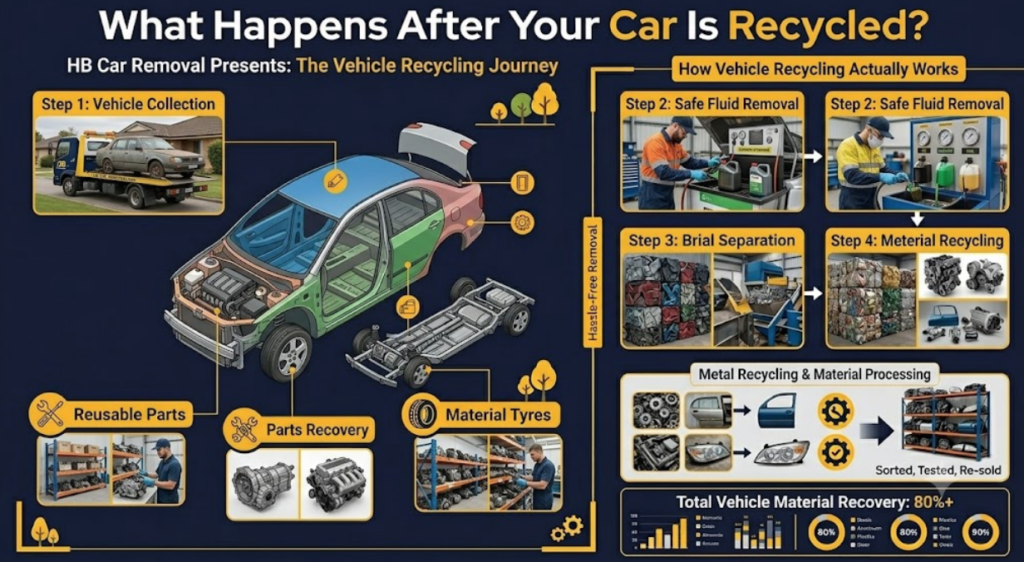
How Vehicle Recycling Actually Works
Many people are surprised to learn how much of a vehicle can be recovered during the recycling process.
When a vehicle reaches a recycling centre, it is not only crushed and dumped. The procedure typically starts with the removal of fluids and dangerous chemicals. This helps to avoid contamination and ensures that potentially hazardous chemicals are handled properly.
Next, reusable components are examined. Engines, gearboxes, alternators, mirrors, lights, wheels, and body panels may still be valuable. These parts are frequently reused in other vehicles, extending their useful life and minimising the need for new replacements.
Once reusable parts are removed, the remaining metal is processed and recycled. Steel, aluminium, and other materials are separated and sent for further processing to create new products. This significantly reduces waste that would otherwise end up in landfill.
How Much of a Vehicle Can Be Recycled?
You might be surprised by how much of an old vehicle can actually be recycled. In many cases, around 75–85% of a vehicle’s materials by weight can be recovered or recycled, depending on its age and condition. Materials like steel, aluminium, glass, rubber, plastics, and many mechanical parts can all be given a new purpose instead of ending up as waste.
Many people assume that only the metal parts are worth keeping. In reality, modern vehicle recycling recovers much more than that. Usable components can often be refurbished or reused, while materials that can’t be reused directly are processed into raw materials for manufacturing new products.
This means that a vehicle many people think of as “junk” may still have plenty of value. By recovering and reusing these materials, vehicle recycling helps reduce landfill waste, conserves natural resources, and supports a cleaner, more sustainable future for Hawke’s Bay.
The Benefits of Car Recycling for Hawke’s Bay
Vehicle recycling isn’t only beneficial for vehicle owners. It also provides broader environmental benefits for the region.
By recovering materials from old vehicles, recycling helps reduce the amount of waste entering landfill facilities. It also reduces the need to extract and process new raw materials, which often requires significant energy and resources.
For a region known for its natural beauty, agricultural activity, and outdoor lifestyle, reducing unnecessary waste is an important goal.
As more residents choose car recycling Hawke’s Bay services, the positive impact extends beyond individual properties and contributes to a cleaner community overall. Small actions taken by individual vehicle owners can collectively make a meaningful difference.
Why More Owners Are Choosing Recycling Instead of Storage
Take a drive through many residential or rural properties in Hawke’s Bay, and you’ll often spot vehicles that haven’t moved in years. Some are parked with the intention of being repaired one day, while others have simply been forgotten over time. The problem is that leaving an old vehicle sitting doesn’t preserve its condition. Batteries fail, tyres deteriorate, rust spreads, and its value continues to decline. Eventually, many owners realise that holding onto an unwanted vehicle serves little purpose and that recycling or selling it is a far more practical solution.
Instead, options such as scrap car removal at Hawke’s Bay offer a practical way to free up valuable space while ensuring the vehicle is handled responsibly. For many households, removing an unwanted vehicle can instantly improve the property’s appearance and functionality.
Choosing a Responsible Vehicle Recycling Service
Recycling services may differ in their operational practices. When selecting a provider for vehicle recycling, it is advisable to choose one that adheres to responsible environmental standards and possesses experience with end-of-life vehicles. A reputable service should:
- Remove vehicles safely
- Handle fluids responsibly
- Recycle materials where possible
- Recover reusable parts
- Provide clear information about the process.
Many car wreckers in Hawke’s Bay play an important role in this process by helping recover valuable components while reducing unnecessary waste. Likewise, professional vehicle removal services in Hawke’s Bay make it easier for owners to remove unwanted vehicles without the stress of arranging transport themselves.
The goal should always be to ensure the vehicle is processed responsibly rather than simply discarded.
Why Vehicle Recycling Matters for the Environment
When most people think about recycling, they think about household items such as paper, plastic, and glass. Vehicles are often overlooked. Yet every old car contains materials that can be reused, recycled, or repurposed.
Selecting unwanted scrap car recycling extends beyond mere disposal. It involves eliminating waste, recovering valuable resources, and supporting the region’s long-term sustainability. For Hawke’s Bay car owners, recycling represents a practical solution that benefits both individuals and the broader community.
Conclusion
Although an old car may appear to be nothing more than junk, it typically includes valuable parts and components. Car recycling in Hawkes Bay allows discarded cars to be handled ethically, decreasing landfill trash, recovering usable resources, and minimising environmental impact.
Whether a vehicle has been sitting in a driveway, garage, farmyard, or backyard, recycling offers a more sustainable alternative to leaving it unused or sending it to a landfill.
As awareness continues to grow, more Hawke’s Bay residents are recognising that responsible vehicle disposal isn’t just about removing a car; it’s about reducing waste and making better use of the resources we already have.
Frequently Asked Questions
What is vehicle recycling?
It is the process of dismantling end-of-life vehicles to recover reusable parts and recyclable materials rather than discarding them as waste.
How much of a vehicle can be recycled?
A large portion of most vehicles can be recycled, including metals, glass, plastics, rubber, and certain mechanical components.
Are old vehicles bad for the environment?
They can be if left unmanaged for long periods. Leaking fluids, deteriorating batteries, and other materials may create environmental concerns over time.
What happens to parts removed from recycled vehicles?
Usable parts are often inspected, tested, and sold for reuse, helping extend the lifespan of other vehicles.
Can non-running vehicles be recycled?
Yes. Many recycling and removal services accept vehicles that no longer run, including those damaged in accidents and those that have failed mechanically.
Is recycling old cars better than sending a car to a landfill?
In most cases, yes. Recycling allows materials and components to be recovered and reused, reducing waste and minimising environmental impact.
