What Happens to Old Petrol Cars as NZ Moves Toward Electric Vehicles?
New Zealand is accelerating its transition toward electric vehicles (EVs). With ambitious climate goals, changing incentives, and growing consumer demand for cleaner transport, EV adoption is on the rise, and petrol-powered cars are becoming less common on Kiwi roads.
But with this shift comes an important question for many car owners: what happens to old petrol cars as New Zealand moves toward electric vehicles?
In this guide, we explore the environmental, economic, and practical outcomes for petrol vehicles in NZ, including what owners can do with their old cars, how the EV trend influences vehicle value, and how services like HB Car Removal help owners responsibly manage their petrol vehicles.
Why More Kiwis Are Switching to Electric Vehicles
Electric vehicles are becoming more common across New Zealand as fuel prices rise, EV technology improves, and more drivers look for cleaner and cheaper transport options. The government’s transport and climate policies, combined with falling EV prices and improved infrastructure, mean petrol and diesel vehicles are gradually being replaced.
This transition affects:
- Consumer buying patterns
- Second-hand vehicle markets
- Scrappage and recycling services
- Automotive industry demand
As more Kiwis choose EVs, we face important decisions about what to do with the existing fleet of older petrol cars.
1.Are Old Petrol Cars Losing Value in New Zealand?
Many Kiwi drivers are now wondering whether they should sell their petrol car before values decline further. While petrol vehicles still hold value in many situations, the market is changing as EV adoption continues to grow. While EVs gain traction, old petrol cars haven’t become worthless overnight. Instead, their value is being reshaped by the market. Factors influencing this include:
Demand for Used Automobiles
Many gasoline-powered cars, especially older, reliable models used for farming, daily commuting, and rural tasks, remain in high demand.
Export Markets
Used gas automobiles from New Zealand are often shipped to regions like the Pacific Islands and Africa, where EV adoption is slower. This preserves value for many vintage autos.
Fuel Prices & Maintenance Costs
Petrol prices and maintenance costs play a role. In an EV-focused future, older petrol cars may depreciate faster, but there’s still a place for them in specific use cases.
In other words, petrol cars still have value, but the nature of that value is evolving.
2. Why Older Petrol Cars Are Becoming Less Popular
One of the biggest drivers behind NZ’s EV push is environmental impact. Petrol vehicles contribute to:
- Greenhouse gas emissions
- Urban air pollution
- Carbon footprint increases
Older petrol cars tend to be less fuel-efficient and produce more emissions compared to newer models. As a result, New Zealand’s climate policies increasingly favour cleaner alternatives.
While petrol cars are still widely used, many older vehicles are becoming more expensive to maintain and less attractive to environmentally conscious buyers.
3. What Happens to Old Petrol Cars in NZ?
Not everyone wants to keep their gasoline-powered car or sell it on the secondary market. There are a few typical routes for owners who wish to properly get rid of an old car:
1. Make a private sale
Many owners continue to privately sell their gasoline-powered vehicles, either online or through conventional classified ads. For clean, well-maintained cars, this might result in a reasonable price.
2. Make a Dealer Trade-In
When buying a new or used automobile, even an electric vehicle, some dealerships accept used gasoline-powered vehicles as trade-ins. Offers, nevertheless, can be less than those from private sellers.
3. Sell for Parts
Vehicles that are no longer roadworthy can still be valuable for components, such as engines, transmissions, batteries, tyres, and accessories.
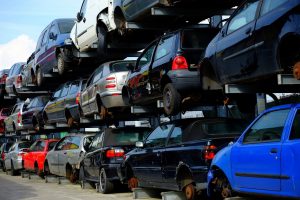
4. Recycle or Scrap
The most ecologically friendly option for non-running or damaged automobiles is to scrap and recycle them. Businesses such as HB Car Removal pay for used gasoline vehicles and guarantee that the metals are handled securely and that any salvageable parts are reused.
4. The Recycling and Scrapping of Petrol Vehicles
As more Kiwis upgrade to electric vehicles, responsible car recycling is becoming increasingly important across New Zealand. Recycling used gasoline-powered vehicles is a crucial aspect of the automobile lifecycle, particularly as electric vehicles become more prevalent. Usually, the procedure entails:
1. Depollution
Hazardous fluids, such as petrol, oil, coolant, and brake fluid, are safely drained and recycled.
2. Parts Recovery
Reusable components (usable engines, seats, electronics, tyres, catalytic converters) are removed and sold as spare parts.
3. Metal Recycling
The remaining car shell, mostly steel and aluminium, is shredded and sold to metal recyclers. These metals can be reused in new manufacturing, reducing resource consumption.
Recycling ensures that the environmental impact of petrol cars is minimised, even after they’ve reached the end of their useful life on the road.
5. Sell Your Old Petrol Car Fast in Hawke’s Bay
For many vehicle owners in Napier and Hastings, cash-for-cars services provide one of the easiest ways to get rid of an unwanted petrol vehicle without dealing with repairs, advertising, or private buyers.
Traditional resale prices for gasoline-powered vehicles may change as EV adoption rises. Scrapping is a reliable and quick way for car owners to get money for their broken, unregistered, or otherwise undesirable vehicles.
HB Car Removal and similar services provide:
- Free vehicle removal in New Zealand
- Immediate cash payout on the spot* No problems with paperwork
- Recycling that respects the environment
Based on recyclable metal weight and recoverable components, automobiles that are severely damaged or no longer functional can still be valued.
In 2026, many petrol cars are still worth hundreds or even thousands of dollars, especially large vehicles, utes, and sedans with usable parts.
6. How the EV Trend Affects Petrol Car Valuations
The following factors affect petrol car values as EV popularity rises:
Pressure of Depreciation
Over time, the need for gasoline-powered cars may decline, particularly in cities where EV adoption is high.
Fuel Efficiency vs Operating Expense
Since EVs save fuel, many Kiwis are selecting them, which is affecting the pricing of secondhand gasoline-powered cars.
Demand for Exports
Even when local demand changes, the value of many gasoline-powered automobiles is maintained by robust export markets.
However, cars in good mechanical condition and with strong resale appeal still hold value, particularly in rural areas and for practical use.
7. What NZ Vehicle Owners Should Consider in 2026
Here are some useful pointers for owners of vintage gasoline-powered vehicles:
Evaluate Its Roadworthiness
If it’s still dependable and fuel-efficient, it would be worthwhile to trade it in or sell it privately.
Take Cash-for-Cars Services into Account
Cash-for-cars services provide a quick, stress-free solution for selling and recycling non-running or unwanted vehicles.
Be mindful of the environment.
Properly recycling your old automobile ensures it is disposed of in an environmentally friendly manner and reduces pollution.
Plan Your Next Vehicle
If you’re thinking about upgrading to an EV, selling or recycling your petrol car can help fund the transition.
Need to Sell Your Old Petrol Car?
Whether your vehicle is damaged, unwanted, deregistered, or no longer running, HB Car Removal provides fast quotes, free vehicle removal, and instant cash payments across Hawke’s Bay.
Final Thoughts: Petrol Cars Still Have Value
Although the New Zealand automotive industry is changing with the move towards electric vehicles, vintage gasoline-powered vehicles continue to play a significant role. Even as the future shifts toward electric cars, these vehicles remain significant assets, whether sold for parts, properly recycled, or kept on the road.
For many owners, the transition presents an opportunity to cash in an unused vehicle, clear space, and make room for the next generation of transport.
At HB Car Removal, we help Kiwis across New Zealand get the best value for their old petrol cars, with instant cash payment, free removal, and responsible recycling.
If you’re ready to sell your old petrol car or want to learn how much it’s worth in today’s market, contact HB Car Removal for a free quote, and take the stress out of selling your vehicle in the EV era.